

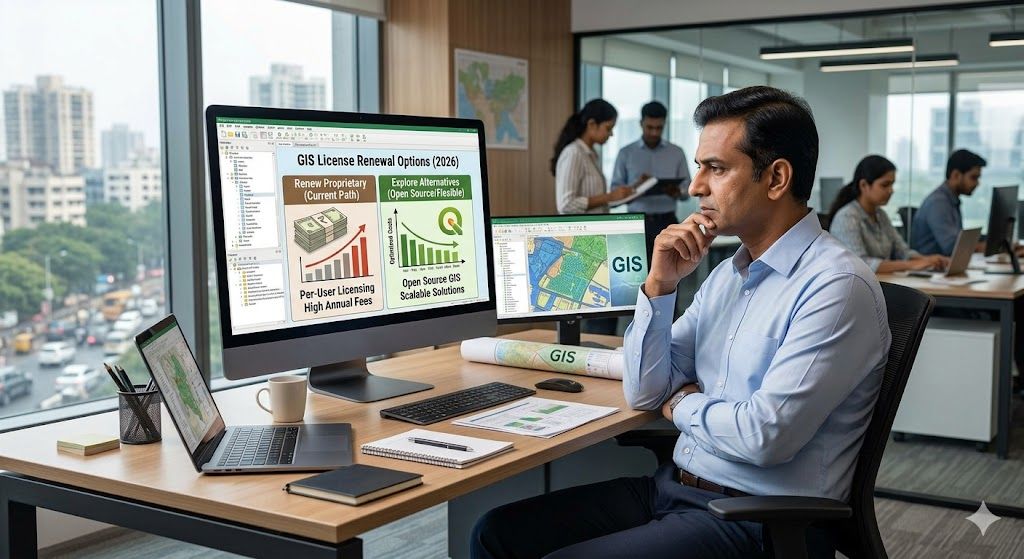
Think before renewing enterprise GIS license
Posted on March 23, 2026
3 min read
enterprise GIS
March is not just the end of the financial year—it’s decision time.
Every private company—whether in infrastructure, logistics, agri-tech, mining, or urban development—goes through the same exercise:
“Where can we reduce cost without affecting performance?”
And yet, one of the most expensive line items often escapes scrutiny:
👉 Enterprise GIS licensing
Most organizations renew it by default.
Not because it’s optimal—but because it’s familiar.
The Problem with Auto-Renewal
In fast-moving businesses, stability is valued.
But in GIS, this often leads to inertia:
“It works. Don’t touch it.”
What goes unnoticed:
-
Licensing costs increase every year
-
Actual usage remains limited to a small group
-
Innovation is constrained by vendor ecosystem
You optimize operations—but not your GIS stack.
What Has Changed in the Last 5 Years?
Open-source GIS has matured significantly.
It is now:
-
Production-ready
-
Cloud-compatible
-
Widely adopted across enterprise and government systems
The real question is no longer “Can open source replace enterprise GIS?”
The real question is “Do you still need enterprise licensing for your use case?”
Cost Comparison
Typical Setup:
-
20–30 GIS users
-
100+ internal viewers (web GIS)
-
Analytics + map serving
3-Year Cost Comparison
| Component | Enterprise GIS (₹) | Open Source GIS (₹) |
|---|---|---|
| Initial Setup | 15–25 Lakhs | 10–20 Lakhs |
| Annual Licensing | 20–40 Lakhs/year | 0 |
| Infrastructure | 5–10 Lakhs/year | 5–10 Lakhs/year |
| Custom Development | Limited / Expensive | Flexible / Controlled |
| Vendor Lock-in | High | None |
Total Cost (3 Years)
-
Enterprise GIS: ₹75 Lakhs – ₹1.5 Crore
-
Open Source GIS: ₹25 Lakhs – ₹60 Lakhs
💡 Most companies are not overspending on GIS capability—they are overspending on licensing.
Where Does This Cost Difference Come From?
Enterprise Model
-
Per-user licensing
-
Feature-based pricing tiers
-
Scaling = higher cost
Open Source Model
-
Pay for development
-
Pay for infrastructure
-
No cost for scaling users
Architecture Shift (Why This Matters)

Moving from license-controlled systems to API-driven architectures is the real transformation.
Open Source GIS Is Not One Tool — It’s an Ecosystem
One of the biggest misconceptions:
“If we leave enterprise GIS, what do we replace it with?”
That’s the wrong question.
Enterprise GIS = one bundled product
Open source GIS = modular ecosystem
You choose the best tool for each problem.
Think in Terms of Problems, Not Products
Desktop GIS (Analysis & Editing)

-
QGIS
-
GRASS GIS
-
SAGA GIS
Used by analysts, planners, GIS teams
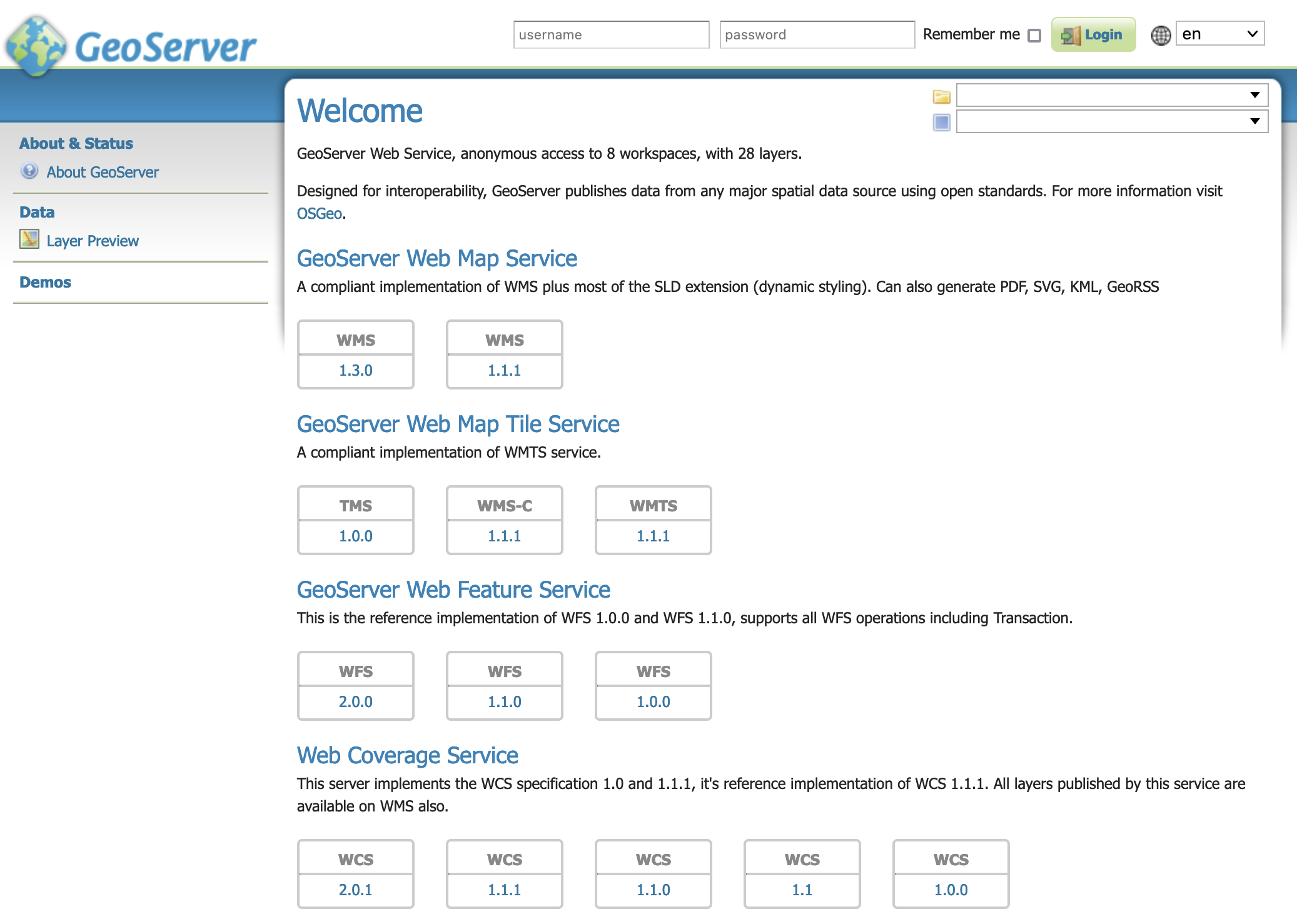
Web GIS & Map Serving
-
GeoServer
-
MapServer
-
TileServer GL
Used for dashboards, internal tools, client apps
Spatial Databases

-
PostGIS
-
SpatiaLite
Centralized data + analytics
Big Data & Distributed GIS
-
Apache Sedona
-
GeoMesa
Used for large-scale / real-time data
Raster & Cloud-Native GIS
-
GDAL
-
Rasterio
-
TiTiler
Satellite imagery, COG pipelines
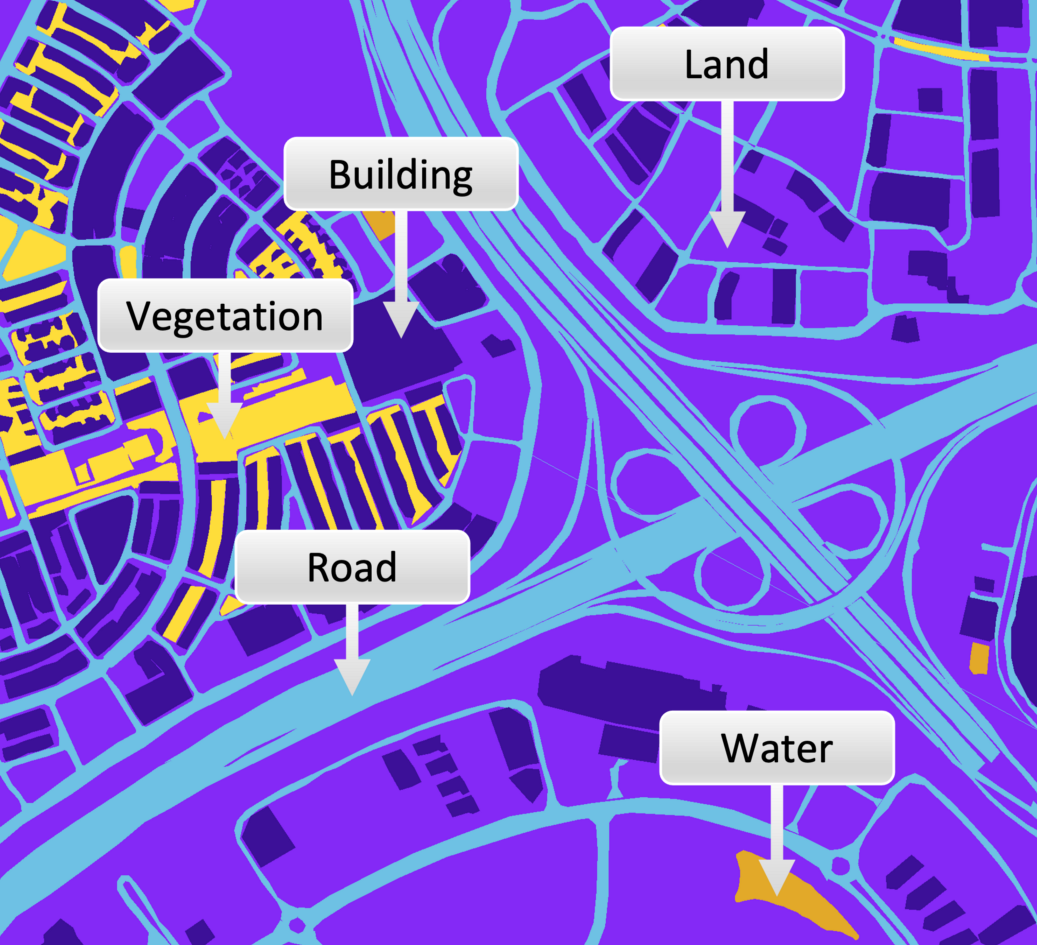
AI + GIS Integration
-
PyTorch
-
TensorFlow
Detection, prediction, automation
What This Means for Your Business
Instead of: “What replaces our GIS software?”
Think: “What problems are we solving, and what is the best architecture for it?”
Do You Really Need Per-User Licensing?
This is where most private companies overspend.
Ask:
-
How many users actually need full GIS tools?
-
Can most users use web apps instead?
-
Are licenses underutilized?
If your cost scales faster than your usage, your model is broken.
Migration Checklist Before Renewal
Technical
-
Can 70–80% of workflows be replicated?
-
Are we already using open standards?
Financial
-
Cost per active GIS user?
-
% of unused licenses?
Operational
-
Vendor dependency level?
-
Speed of implementing new features?
Strategic
-
Is GIS a cost center or growth enabler?
-
Will usage expand next year?
Migration Is Not All-or-Nothing
You don’t need a risky switch.
Start with:
-
Web GIS
-
Data storage
-
Internal dashboards
Then expand gradually.
Enterprise GIS sells you a product.
Open source gives you a system.
And in private business:
Systems that you control always outperform products you depend on.
If you're reviewing your GIS budget this March, this is the right time to evaluate your setup.
At Rotten Grapes, we help private companies:
-
Audit GIS costs
-
Identify unnecessary licensing
-
Build scalable open-source GIS systems
Before you renew, let’s evaluate whether you even need that license.